
Security is not a product, but a process. We help you find the gaps.
A security system with several layers is difficult to hack. So, even if your data is targeted, getting through the many tiers of security will be a hassle.
Regulations and standards are complicated to implement without qualified advice. Let us support you in implementing, maintaining, auditing, and, if needed, certifying compliance with these standards.
We have supported numerous organizations improve their Governance, Risk and Compliance strategies in the Middle East and beyond and since 2025 are also offering ISO/IEC 42001 AIMS implementations. Feel free to explore our Client Series.
Our very own tailor-made service offering CARAT℠ focuses on key areas:
Our services include the following:
We can support you in assessing and implementing international standards and regulations applicable in the UAE and EU, such as: ISO/IEC 27001, ISO/IEC 27017, ISO/IEC 27018, UAE IAR, ADISS, ADHICS, Dubai ISR, NCRMF, GDPR, NCA ECC, NCA CCC, SAMA, NIS2, DORA, etc. We can also support your organization with internal audits and liaise with a Certification Body for the external audit.
We begin by conducting thorough evaluations to identify areas for improvement in your organization’s compliance posture. Based on our findings, we provide detailed, actionable recommendations to address gaps and ensure adherence to requirements. After identifying security gaps, we develop a comprehensive roadmap to address and mitigate unacceptable risks. Additionally, our team designs customized governance and compliance frameworks tailored to your organization’s specific needs, ensuring full alignment with all applicable requirements.
We ensure that your organization’s controls and processes are optimized for efficiency and effectiveness, leveraging proven security standards and industry best practices. Lastly, we provide handover sessions to equip your team, management, and employees with the necessary insights for maintaining compliance. These sessions focus on key aspects and ensure your staff is well-prepared to effectively manage and mitigate risks.
We follow the ISO/IEC 27005 guidelines to assess whether the unique circumstances make a given control applicable or not in the specific setting being analyzed, and help our clients identify and close security gaps within their organization that impact critical business operations.
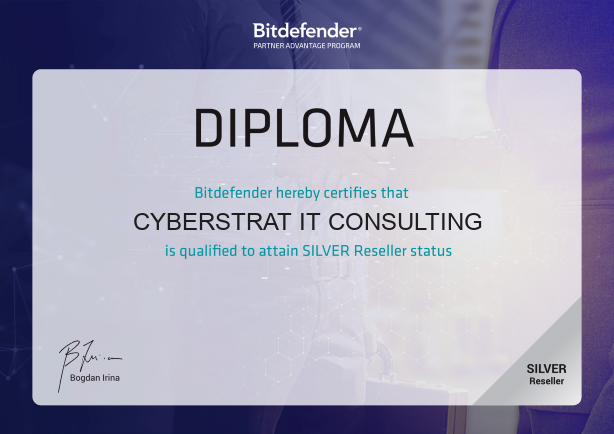
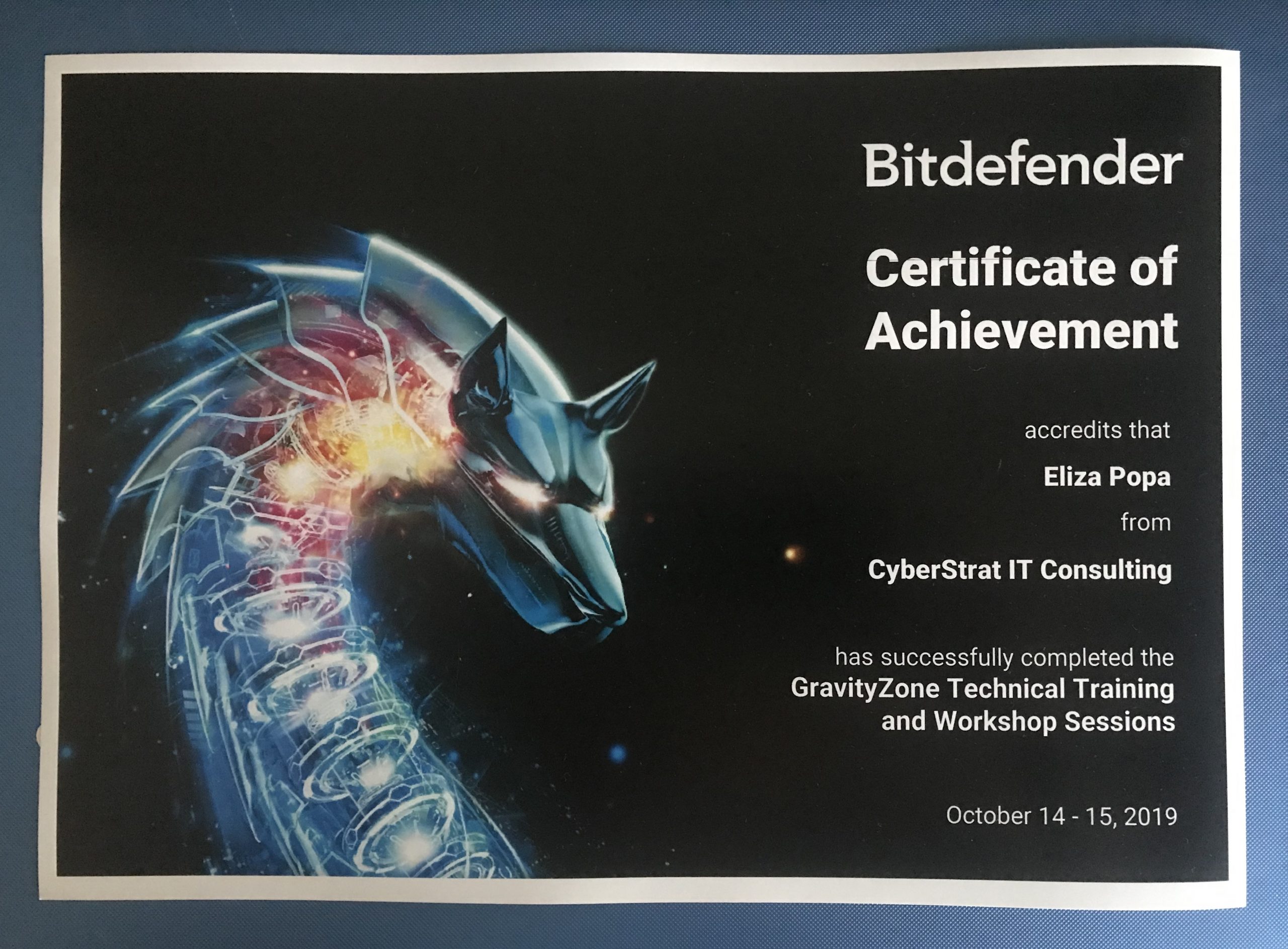
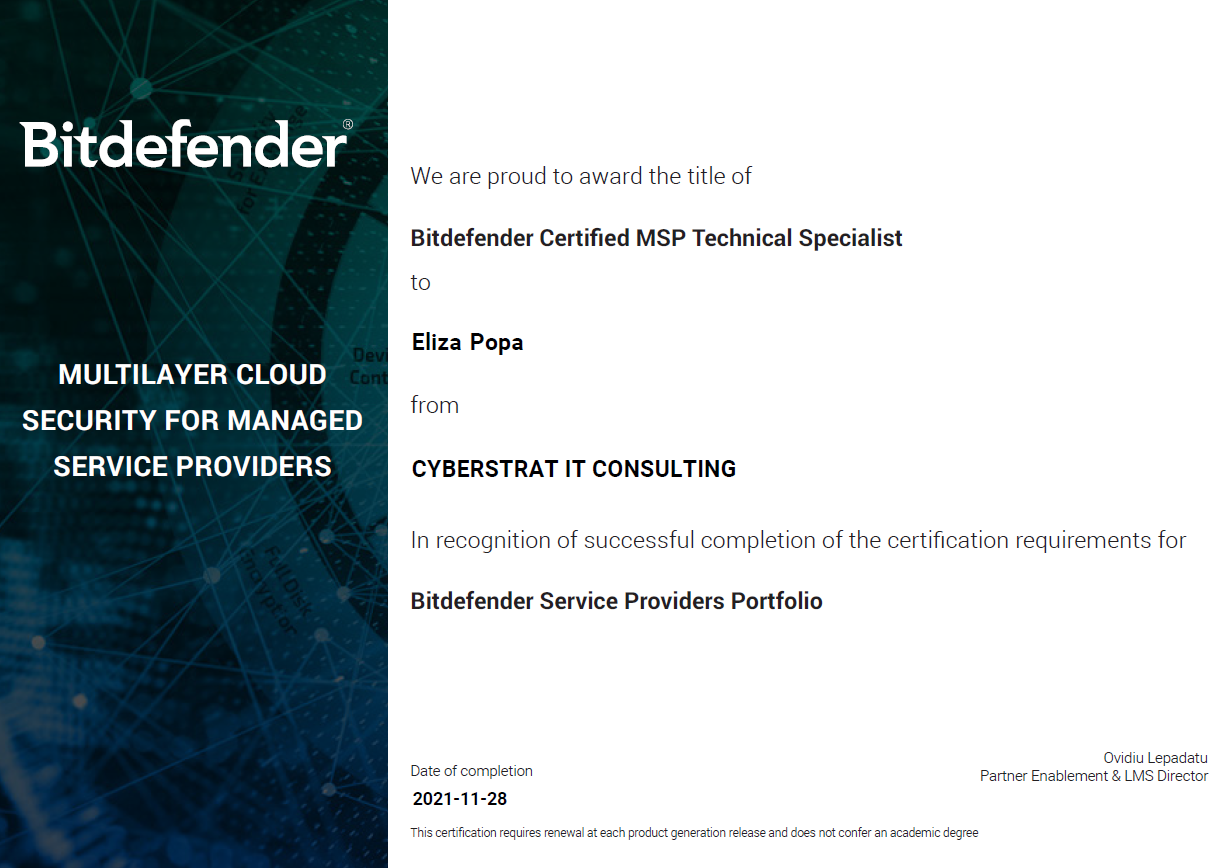
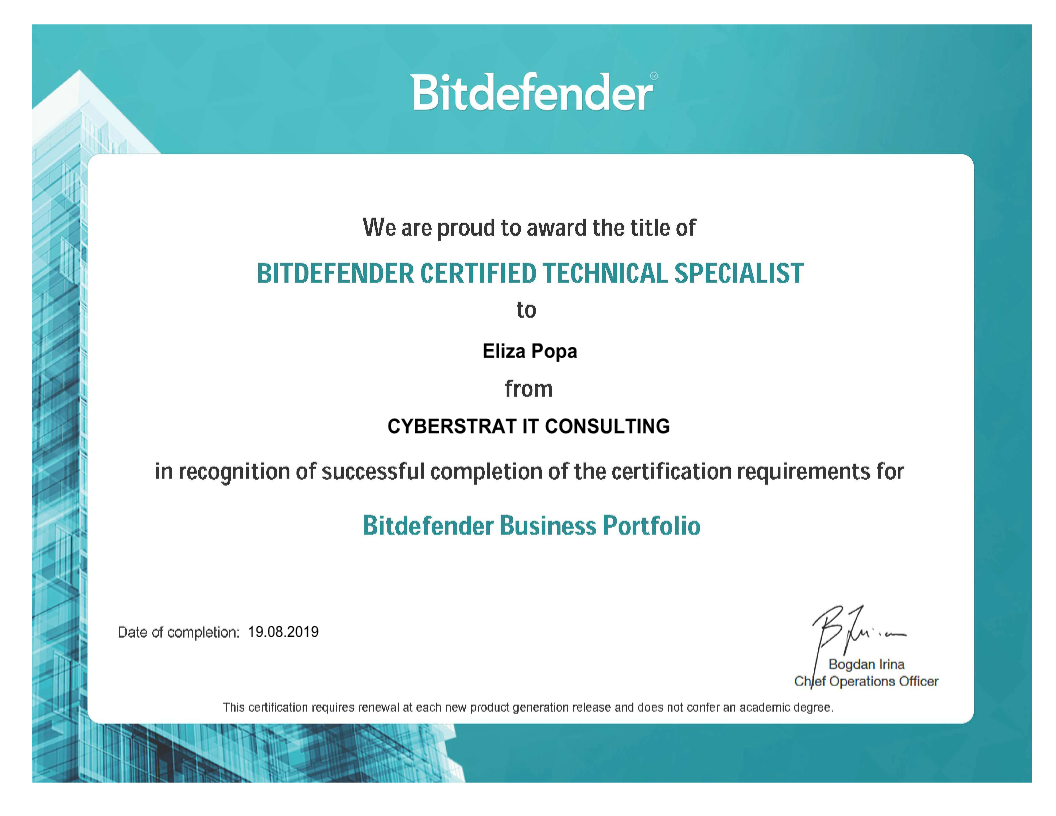
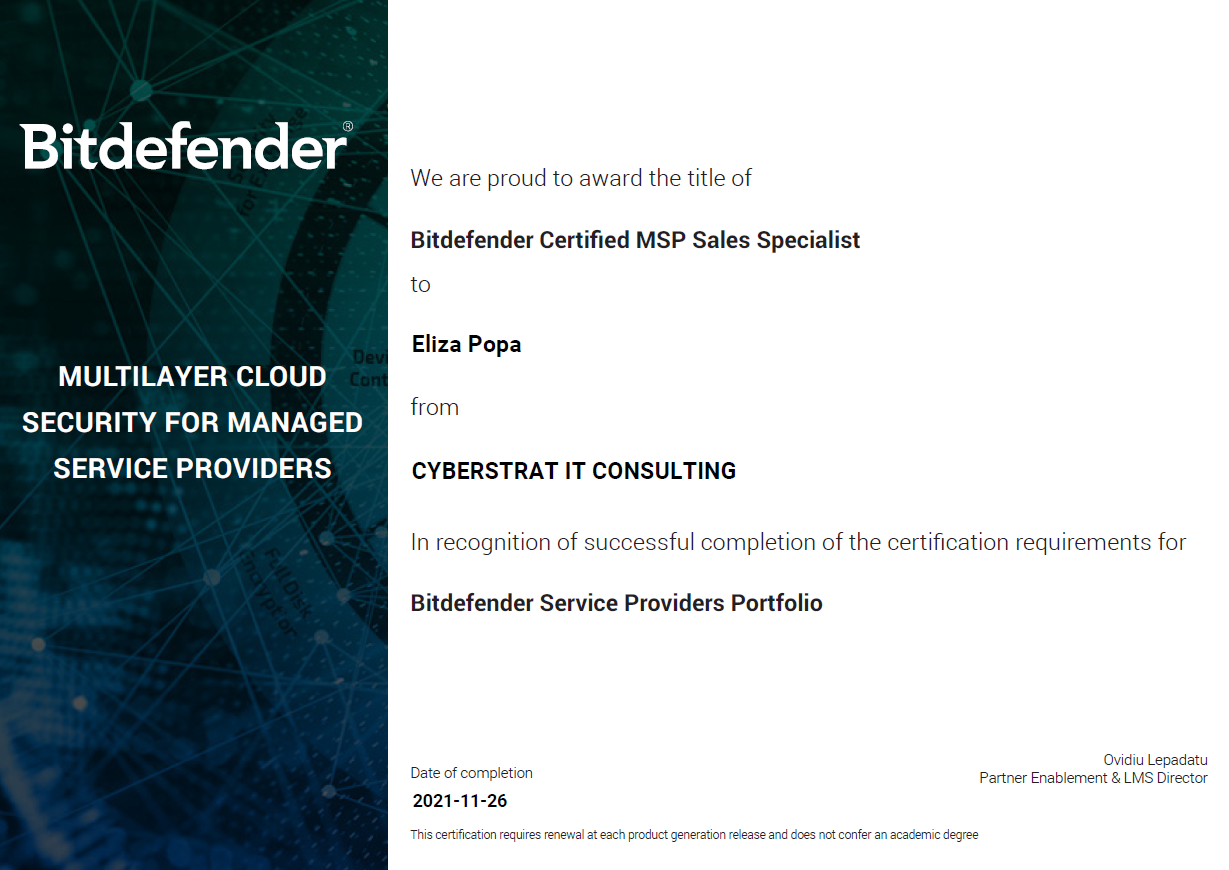
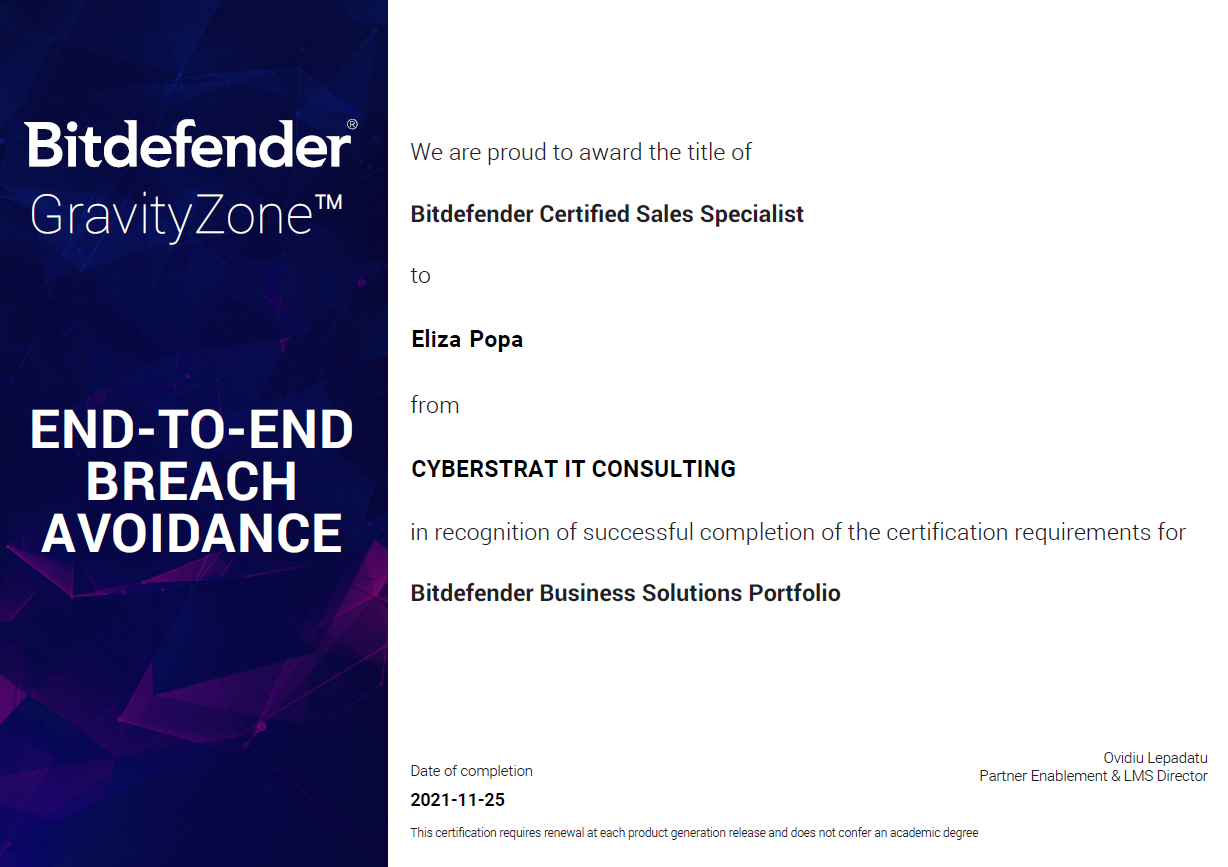
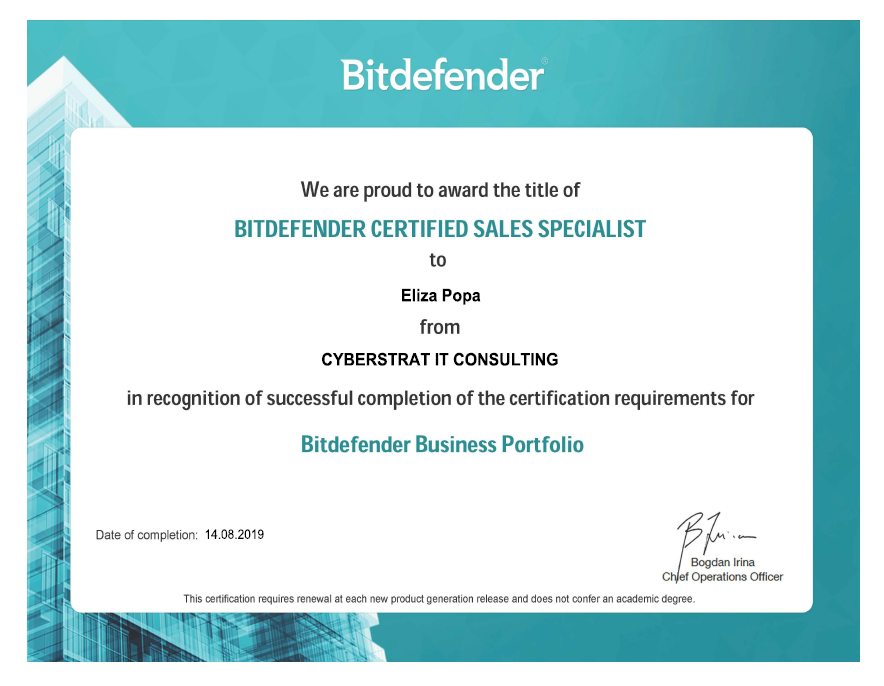
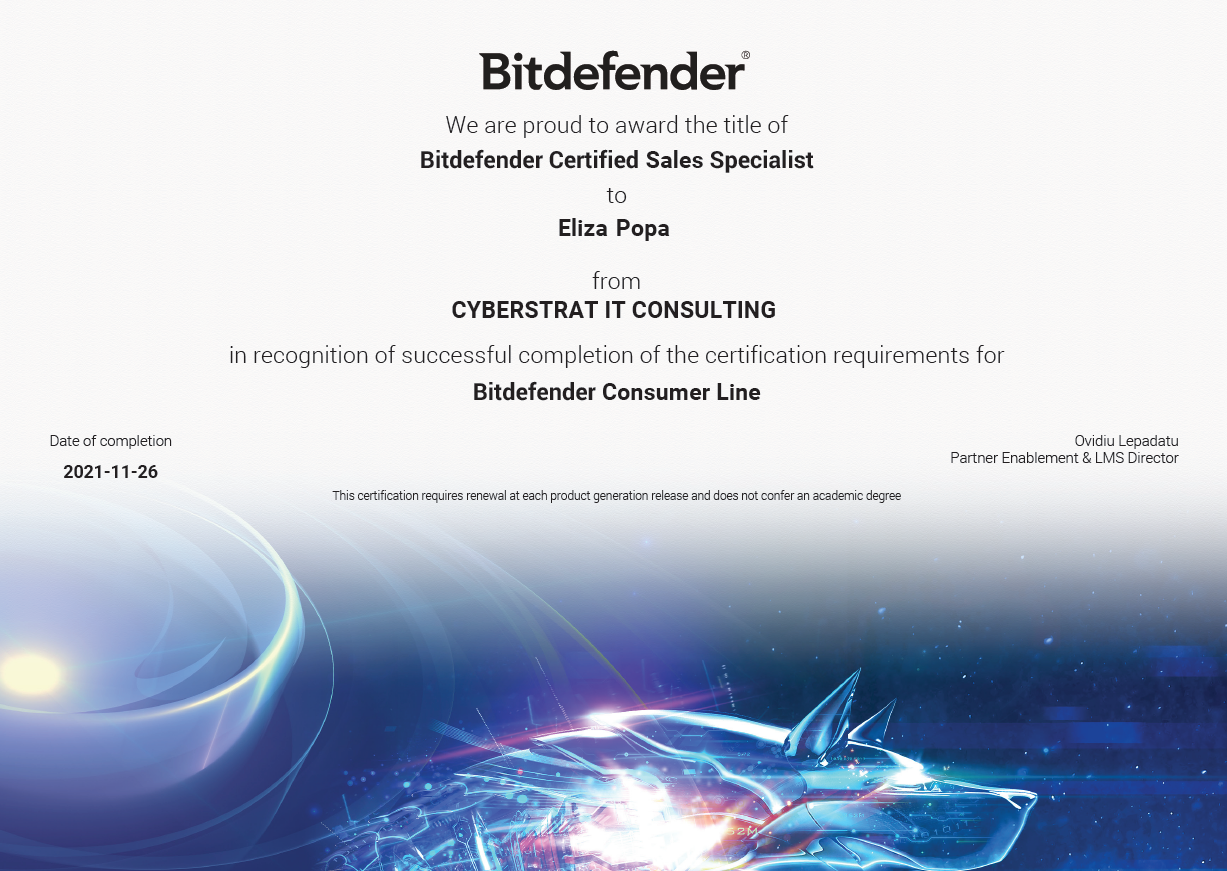
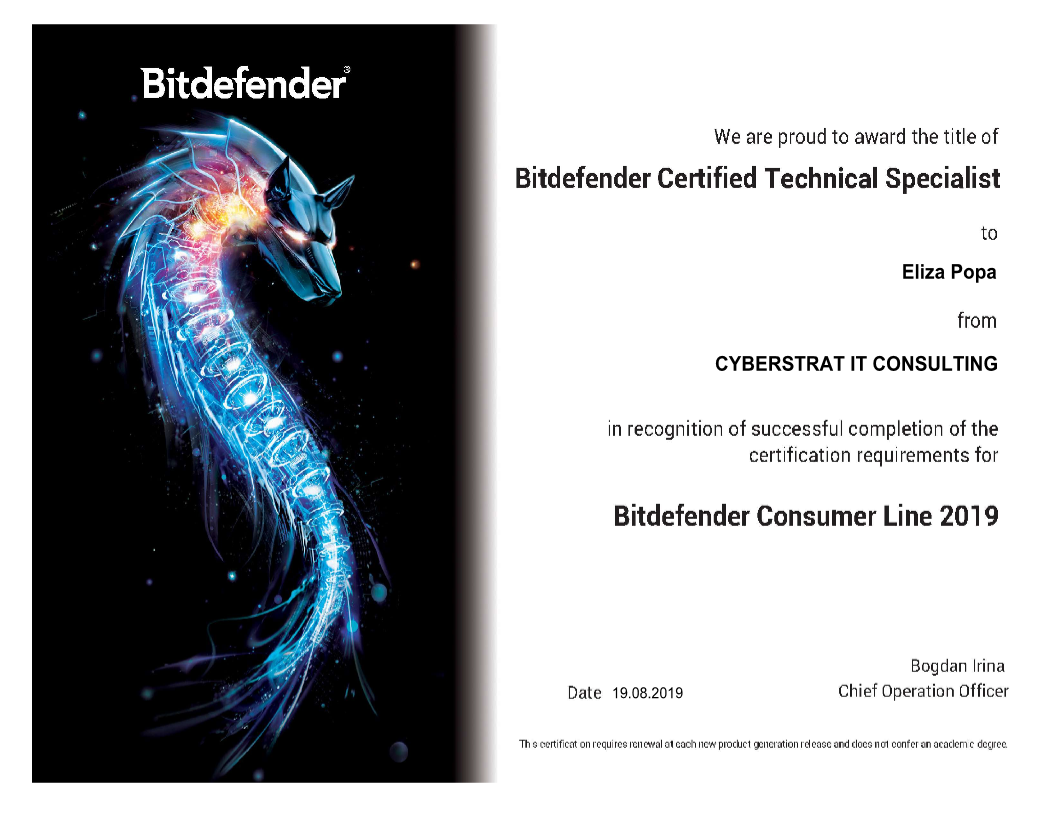
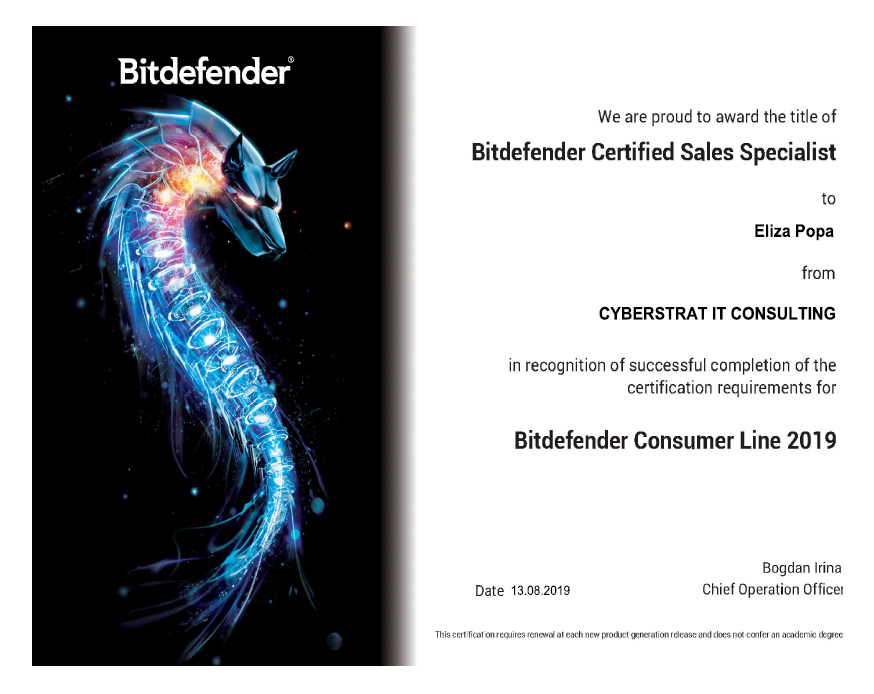
To mitigate technology-related risks, we resell and deploy Bitdefender GravityZone Security Solutions that offer comprehensive protection for physical and virtual desktops and servers, plus mobile devices and security and antispam for Exchange mailboxes. The antivirus and antimalware come with behavioral monitoring, zero-day threat protection, application control, firewall, device control and content control with anti-phishing and anti-spam for Exchange mail servers.
Effectively identifying, assessing and remediating endpoint weaknesses is pivotal in running a healthy security program and reducing organizational risk.
Hence, Bitdefender GravityZone offers Endpoint Risk Analytics, an infrastructure that reduces exposure and hardens the endpoint surface area by discovering and prioritizing risky OS and software misconfigurations, as well as Network Traffic Security Analytics which extends protected areas with network based security that blocks threats like Brute Force attacks, Password Stealers, Network Exploits, lateral movements before they can execute. The NTSA tool delivers a new level of protection against attacks aiming to gain access to the system by exploiting network vulnerabilities.
All Bitdefender security tools are managed from a single console for any type and number of endpoints in any location. All your endpoints are protected – physical, virtual and cloud – no matter the form factor, workstation, server, embedded, mobile, or the OS, Windows, Linux, Mac, by the #1 ranked solution for protection and performance in independent tests.
Email continues to be the #1 attacked vector by cybercriminals: as of today, 95% of attacks leverage email. Email attacks are relentless, tactics change rapidly, and sophistication is growing, hence understanding the email security landscape is paramount. If email attacks have been bugging you, we can configure DMARC specification to prevent unauthorized use of your email domain to protect your employees from spam, fraud, and phishing. Furthermore, you will be able to use the DMARC SaaS Platform to see who and what across the Internet is sending email using your email domain.
We advise you to accept that some attacks will breach your defenses – hence you must PLAN for it and be READY. Organizations providing regular information security risk awareness to their users combined with phishing and social engineering campaigns are highly effective in educating their workforce in combating against cyber threats. Particularly phishing and social engineering campaigns helps businesses to address the threat posed by ‘insiders’ who – knowingly or otherwise – may perpetrate or facilitate cyberattacks.
Furthermore, you need to have an effective incident handling process to combat against cyberattacks. It is important to ensure that CSIRT / IRT staff have the skills. If they do not, check our training offering. Organizations that quickly identify and isolate problems, determine the level of investigation and response required to maintain business as usual, and deploy adequate security controls (deterrent, preventive, detective, corrective, compensating) are more resilient and able to support core business activities.
Get in touch for a tailored SOC Analyst training that provides knowledge about: architecture, networking, core analyst skill set, common tools and techniques, SIEM log and audit policies, EDR & EPP investigation, network traffic analysis and collecting pcap, malware basic analysis, phishing analysis and indicator extraction, threat intelligence, threat hunting, rule writing, detections frameworks, incident management, incident response, vulnerability management, deployment of open source tools. We have years of experience in these specialist areas where you could put the cyber warfare worries behind you and instead focus on what you are best at.
We help our clients close the skills gap in key areas such as information security, cyber security, cloud security, risk management, compliance management, and business continuity.
Our training offerings are flexible and designed to meet a wide range of expectations.
We provide both private and public classroom training, as well as virtual instructor-led sessions and online self-paced courses, some of which include recorded video sessions. Learn more…
In 2026, we have celebrated seven years of collaboration with Cloud Security Alliance (CSA). We couldn’t be more satisfied with the expertise of the CSA Team in providing exceptional training courses in critical areas such as cloud security and zero trust.
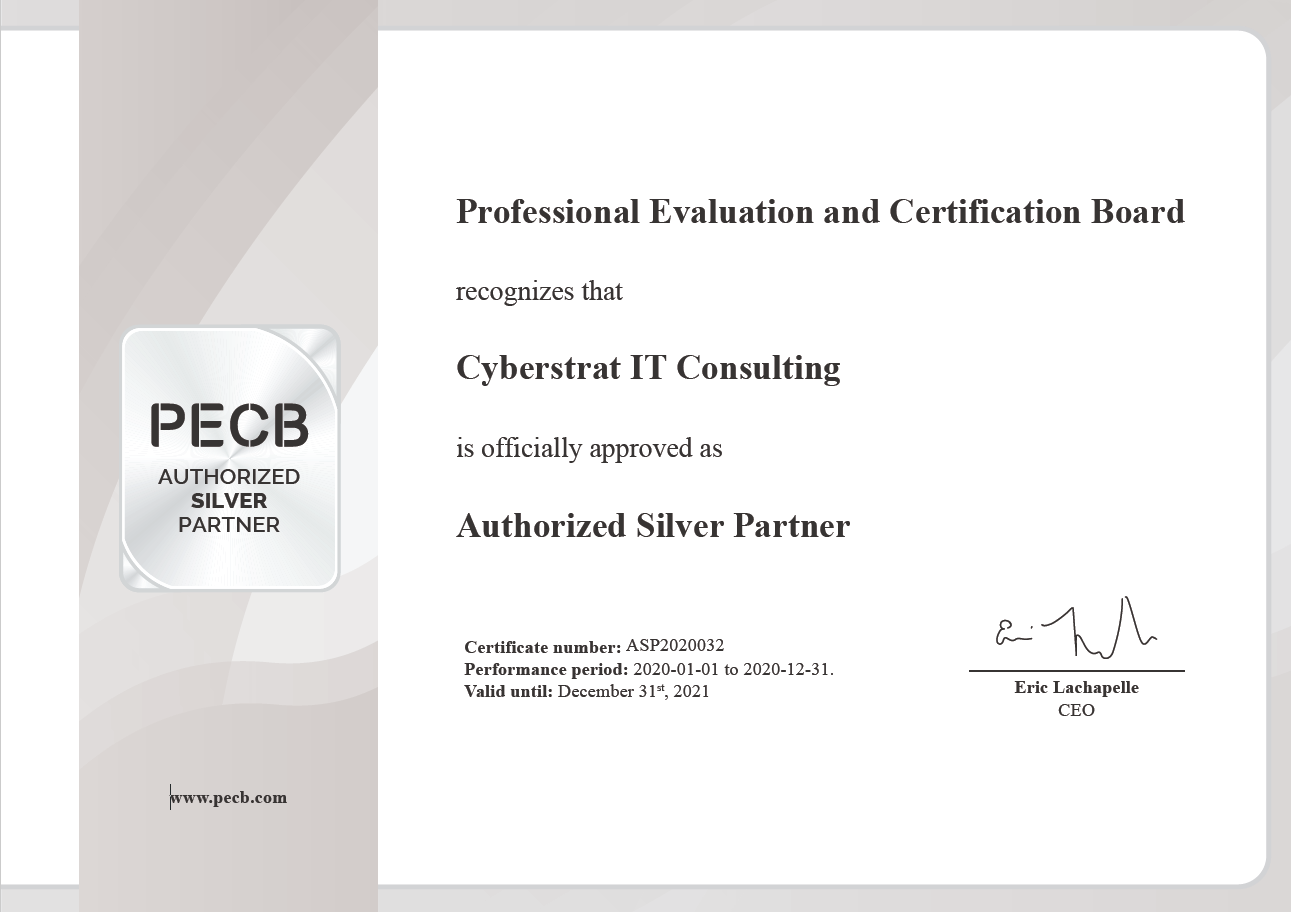
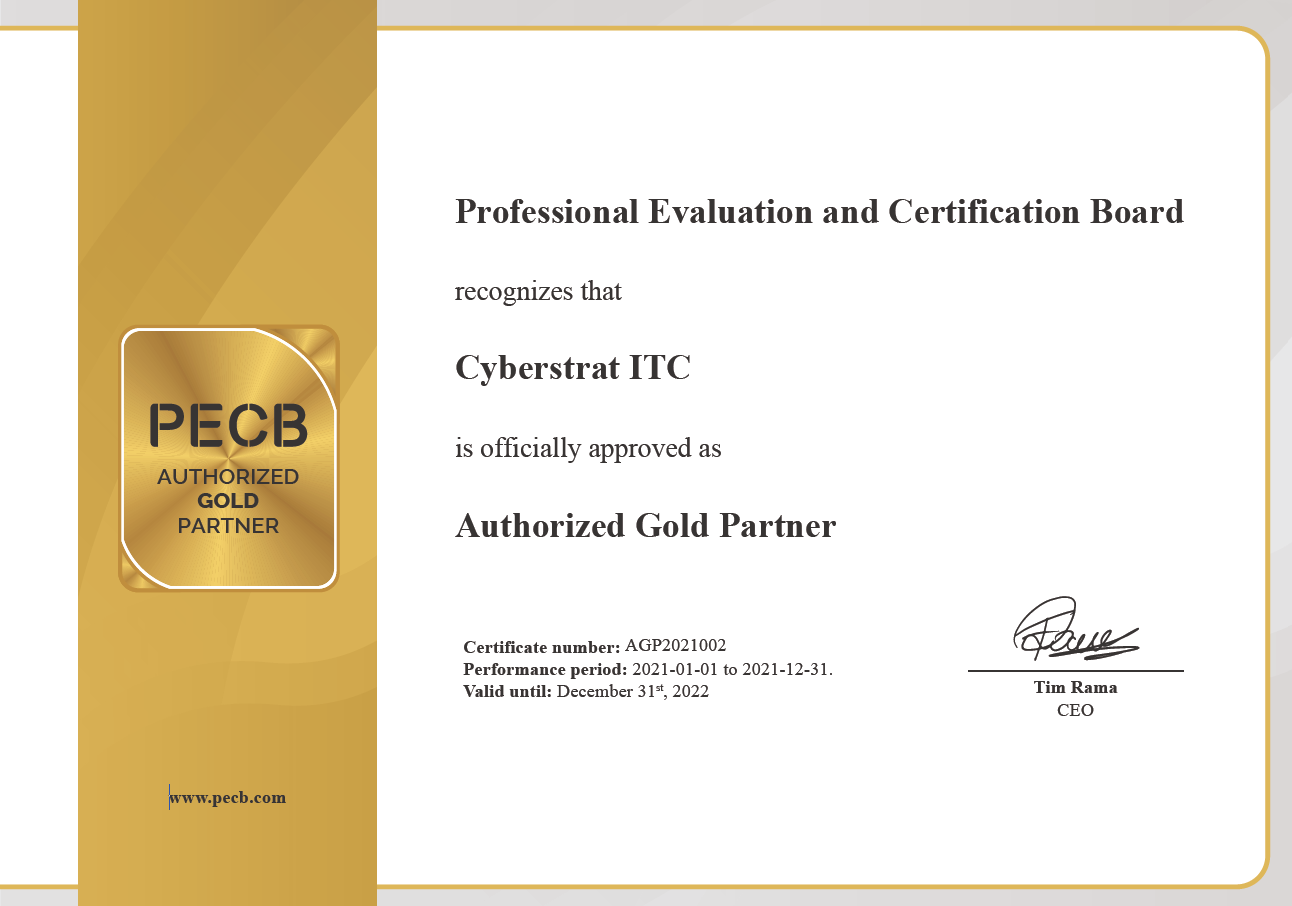
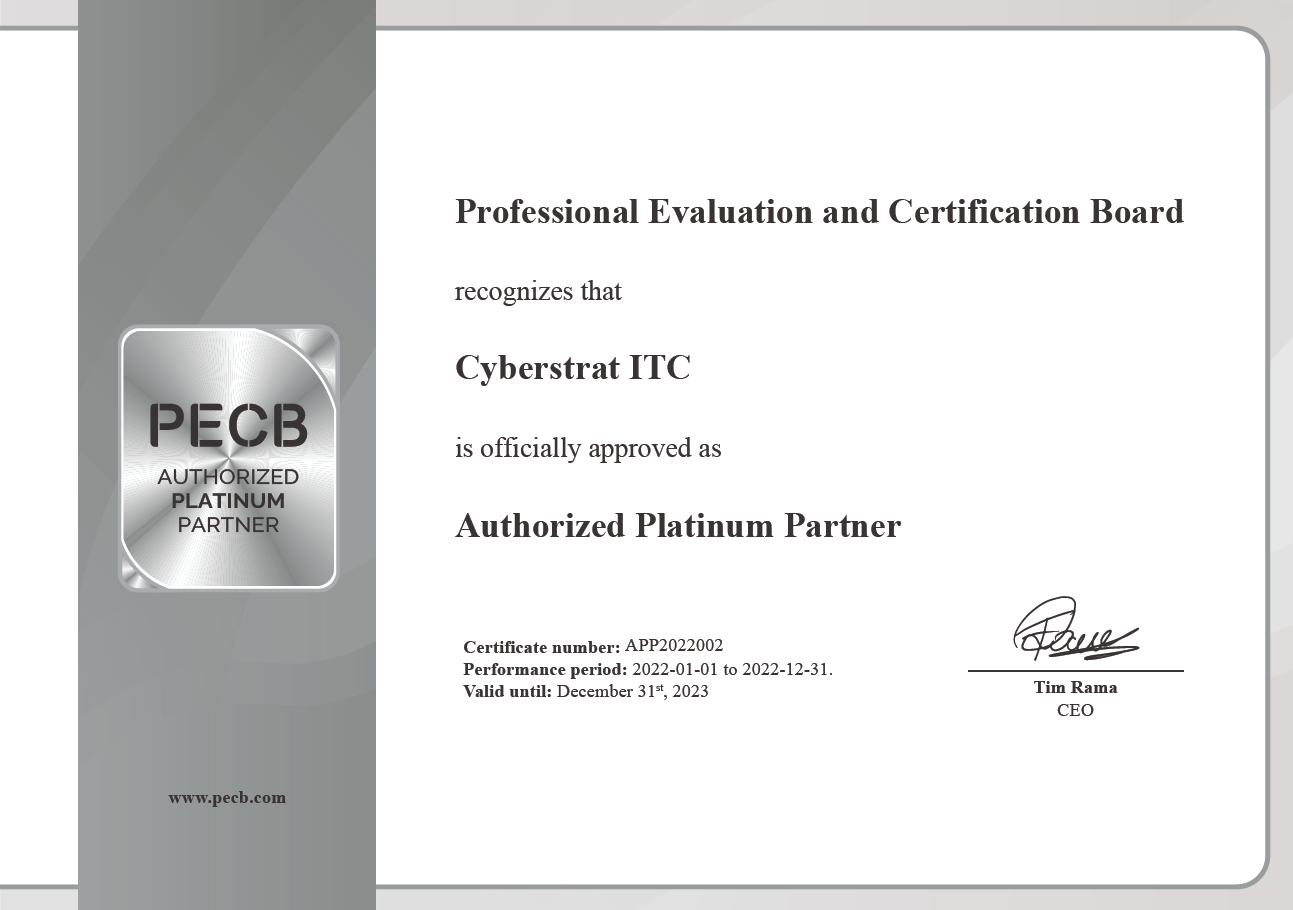
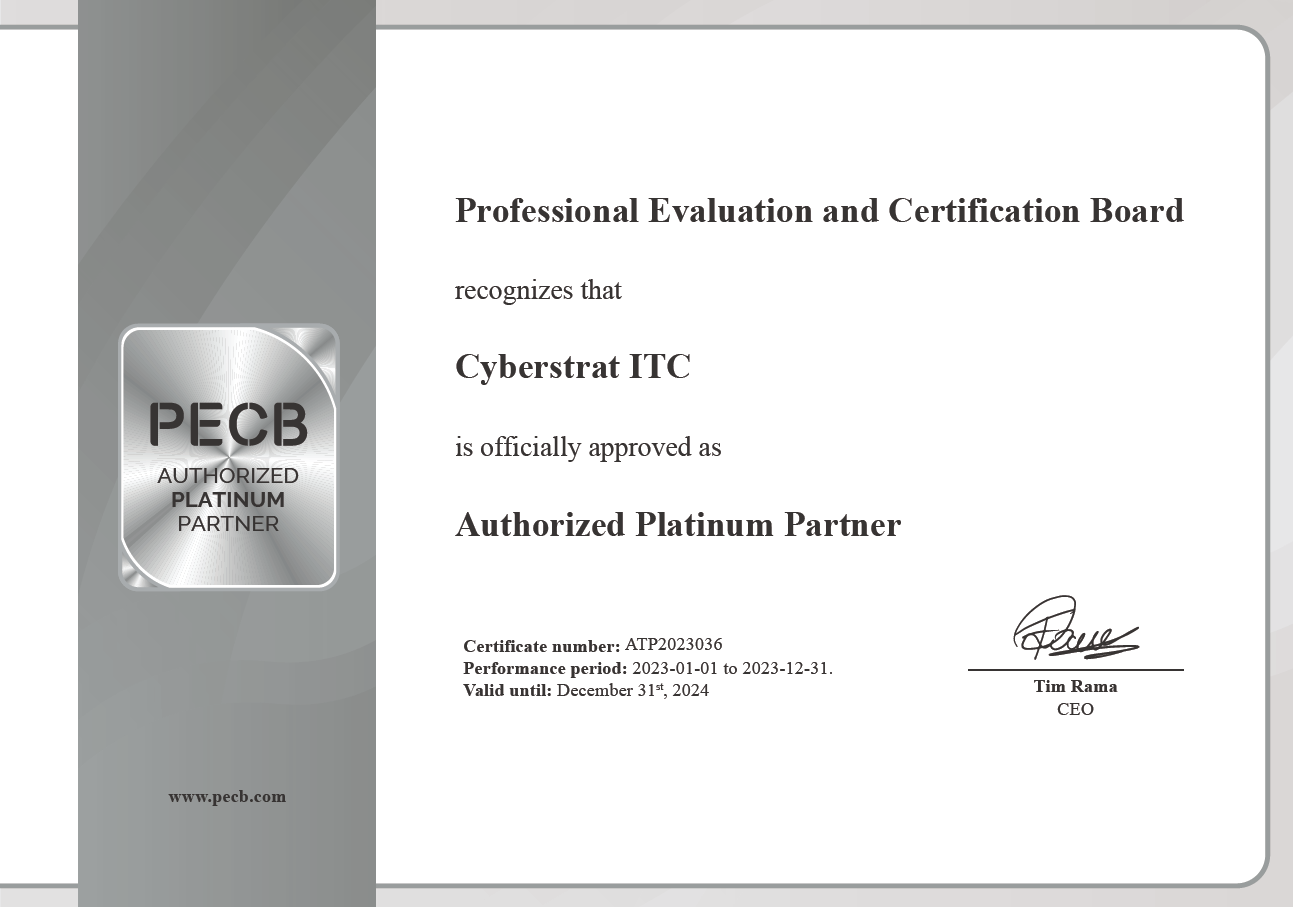
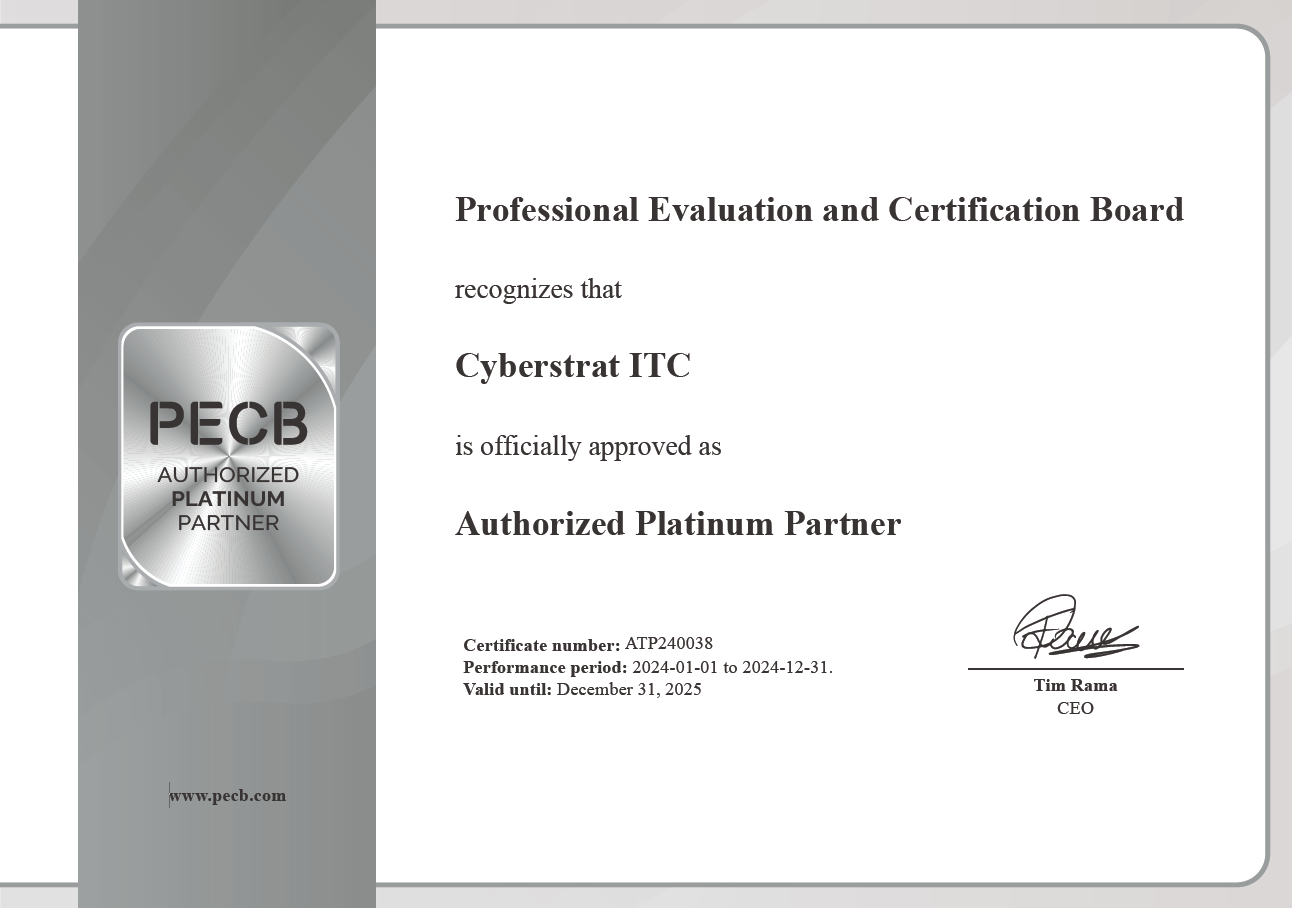
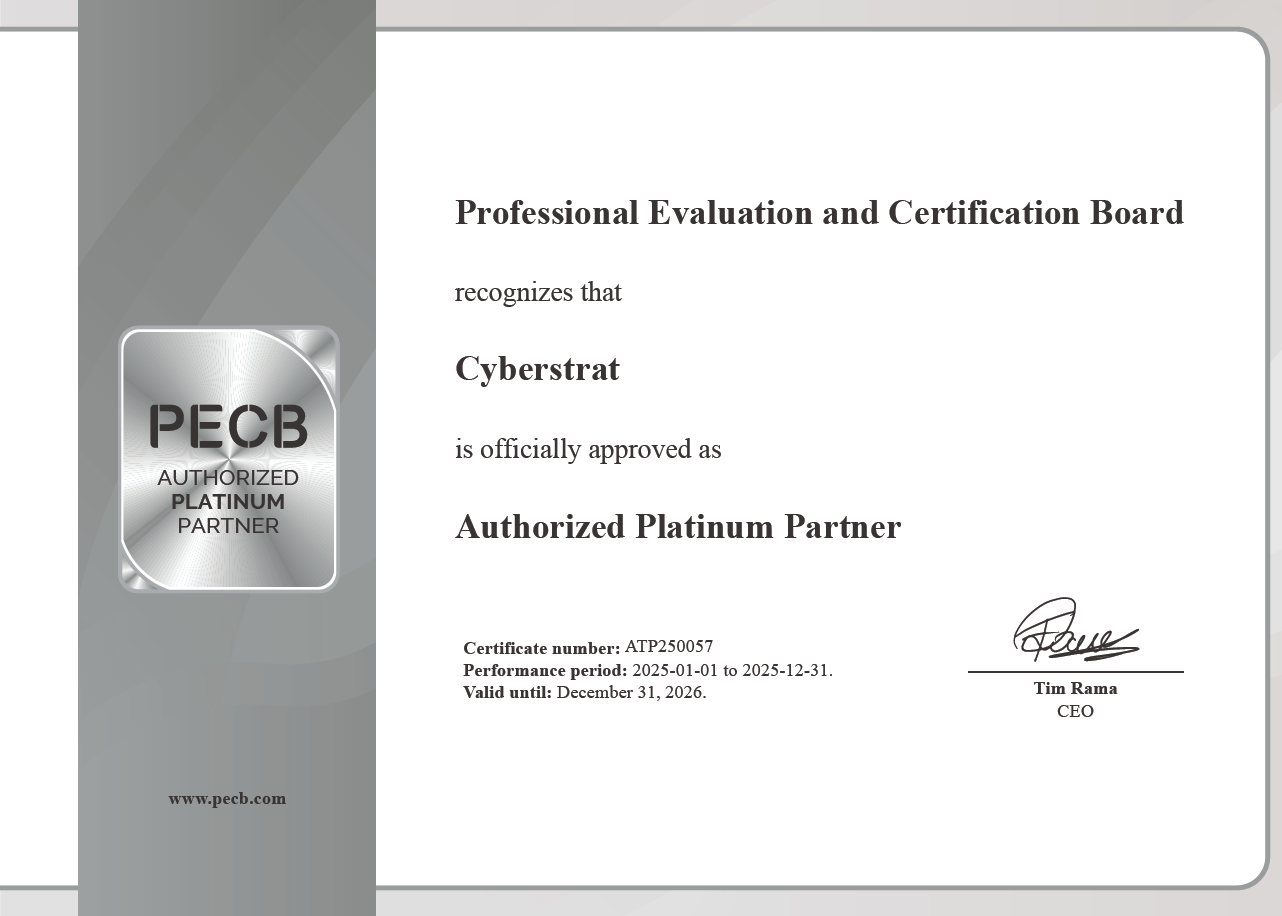
In 2026, we have celebrated seven years of collaboration with Professional Evaluation and Certification Board (PECB), marking five years as a Platinum Partner. Throughout our partnership, PECB has consistently demonstrated commitment and provided timely support to our team, trainers, and clients. The professionalism, reliability, and innovation that PECB exhibits make them a trusted, like-minded partner.
We are incredibly proud of our ongoing collaboration with PECB and CSA and remain dedicated to achieving even greater milestones together!
Data is the new oil. Where there is data smoke, there is business fire.
Compliance with data protection laws and regulations is always ongoing. Due to much uncertainty about some of the technicalities of the GDPR regulation, many organisations are still partially compliant and in risk to be fined if found breaching GDPR requirements with fines of €20 million or 4% of annual turnover, whichever is greater. Moreover, when mandated to implement the requirements of multiple data protection laws and regulations, many organisations are finding themselves challenged by the task.
Cyberstrat IT Consulting provides support and advice throughout your journey to GDPR compliance. This begins with data classification framework and implementation, data protection impact assessment, and continues with a gap analysis, identifying areas for attention through data security provision, awareness and staff training. Here are some of the main steps needed to become GDPR-compliant: